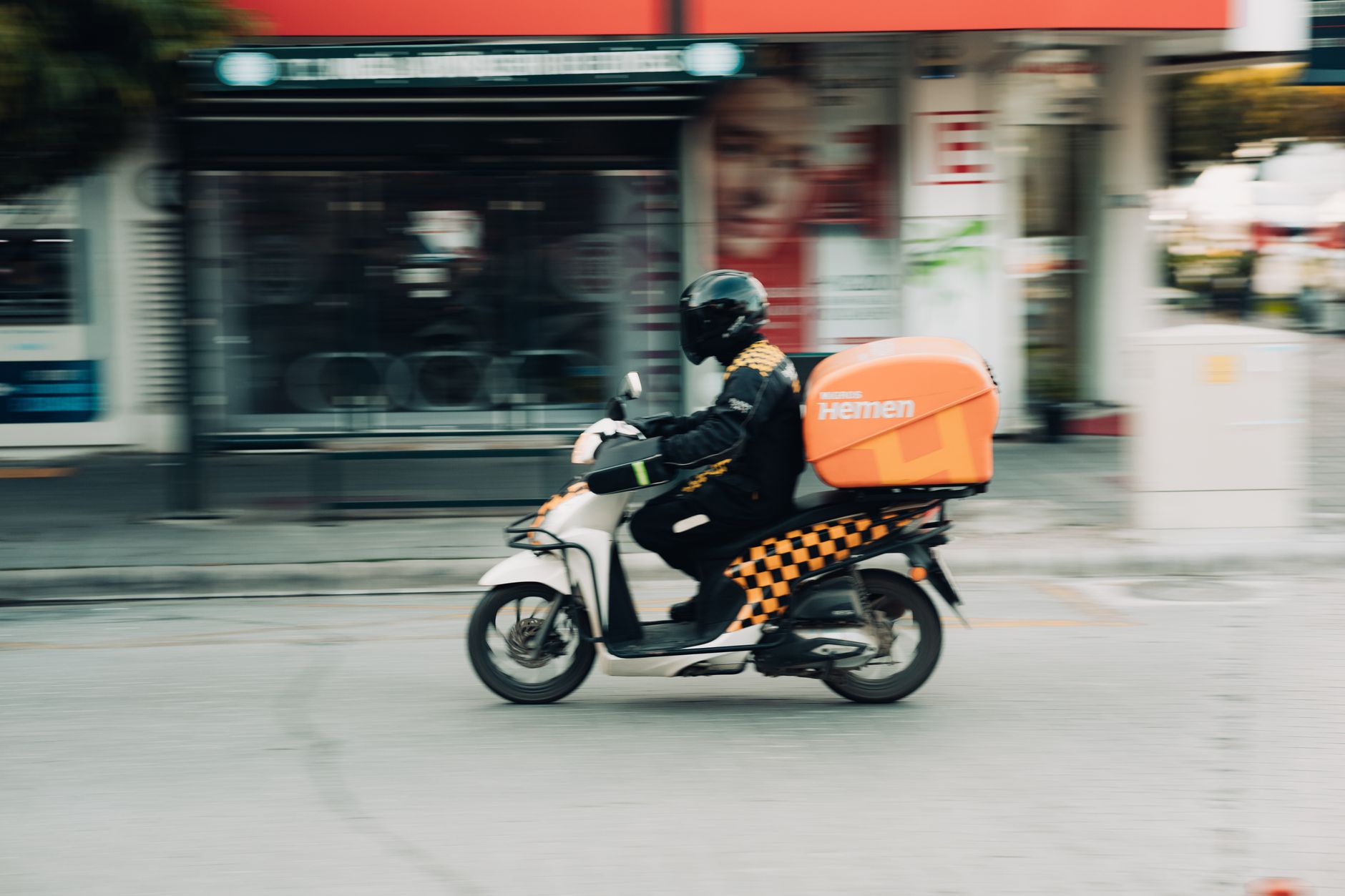
An electric motorcycle without a full licence belongs to the regulatory category known as “equivalent to 50cc”: an electric two-wheeler whose power and speed are capped by design, available with a lighter driving title. It targets urban and suburban trips, without the requirements of a full motorcycle licence.
Electric motorcycle without a license: the essentials
- Equivalent-to-50cc category: power capped at 4 kW and speed limited to 45 km/h.
- Available from age 14 with an AM licence (former BSR), or with a car (B) licence.
- Purchase budget generally between 2,000 and 7,000 euros depending on the model.
- Typical range of 50 to 110 km, rechargeable on a standard home socket.
Comparing electric motorcycle categories
The power threshold determines which licence is required. This table places the electric motorcycle without a full licence against the other categories on the market, to avoid confusion at the time of purchase.
| Category | Licence required | Minimum age | Power | Top speed |
|---|---|---|---|---|
| Electric equivalent-to-50cc (no full licence) | AM (BSR) or car (B) licence | 14 | 4 kW maximum | 45 km/h (capped) |
| Electric equivalent-to-125cc | A1 licence, or B licence with 7-hour training | 16 (A1) or 18 (B) | 11 kW maximum | Not capped at 45 km/h |
| Electric A2 | A2 licence | 18 | 35 kW maximum | Varies by model |
A rider who wants more power without going through driving school again usually turns to the equivalent-to-125cc category with its 7-hour training course, detailed in our guide on the A2 motorcycle licence.
What is an electric motorcycle without a full licence?
The “equivalent-to-50cc” category covers electric two-wheelers whose power does not exceed 4 kW and whose speed is capped at 45 km/h by design, whether they take the shape of a scooter, a roadster or an off-road model. This limit carries over the one historically applied to combustion-engine mopeds, transposed to electric power.
The vehicle receives a European L1e homologation (two-wheel scooter) or L1e-B depending on its configuration, a registration plate, and must meet the same lighting, braking and mirror requirements as a combustion-engine moped. It differs from a non-homologated electric off-road motorcycle, which stays confined to private land and closed circuits, without a plate or the right to ride on open roads.
Licence and age requirements
Three profiles can ride an electric motorcycle without a full licence in France:
The AM licence holder (formerly BSR), available from age 14 after an 8-hour theoretical and practical course, with no final exam. This is the most common profile among young riders and families equipping a teenager for school trips.
The car (B) licence holder, regardless of how long they have held it: the AM equivalence is built into the car licence by right, with no extra training required. This is the most frequent situation for an adult buyer discovering the category for occasional urban use.
A person born before 1 January 1988, who benefits from a long-standing exemption in French traffic law and may ride an equivalent-to-50cc vehicle without any driving title, as was already the case for combustion-engine mopeds before the AM licence was created.
Mandatory gear and traffic rules
Riding an electric motorcycle without a full licence requires the same gear as any motorised two-wheeler: a fastened, homologated helmet, CE-certified gloves, and a reflective vest carried on board or worn at night and in low visibility. Wearing a jacket and closed shoes remains common-sense advice rather than a legal requirement specific to this category.
The vehicle must carry a registration plate and be covered by insurance including at least third-party liability, like any motorised land vehicle. Riding remains banned on motorways and expressways, since these roads require a minimum speed incompatible with the 45 km/h cap.
Which model to choose by use case
The electric motorcycle without a full licence market covers several uses, with manufacturers such as VMOTO or NIU regularly cited on this segment for their ranges dedicated to the equivalent-to-50cc category.
Urban scooter
The scooter shape remains the most common for everyday trips: upright riding position, flat footboard for storage, bodywork that shields against the weather. It particularly suits commuting and local deliveries.
Roadster and “streetfighter” models
A motorcycle silhouette rather than a scooter one, with a sportier riding position and a look closer to a genuine combustion-engine motorcycle. This shape mainly appeals to young AM licence holders looking for a style close to a classic motorcycle.
Homologated off-road model
Some models combine an electric pit-bike base with full road homologation, for mixed use between trails and urban trips. The reduced weight of these motorcycles, often under 80 kg thanks to the absence of a combustion engine, makes them easier to handle for a beginner rider.
Budget: price, charging and maintenance
The purchase price of an electric motorcycle without a full licence most often falls between 2,000 and 7,000 euros, the gap mainly reflecting battery capacity and advertised range. An ecological bonus may reduce this budget for eligible models, subject to income conditions and the scale in force at the time of purchase: checking directly with the dealer or the official aid website remains the most reliable way to know the applicable amount.
Charging most often takes place on a standard home socket at 220V, the battery frequently being removable so it can be charged indoors without moving the vehicle. Expect 4 to 8 hours for a full charge depending on capacity.
Maintenance costs remain lower than for an equivalent combustion-engine moped: no oil change, no spark plug, no air filter, as the electric motor has no comparable wear parts. Checks mostly focus on tyres, brakes and battery condition.
Range and charging time
Manufacturer-advertised range most often varies from 50 to 110 kilometres, for urban use at moderate speed close to the 45 km/h cap. This range drops noticeably in mixed use with faster stretches, as power consumption rises with speed.
A buyer looking for greater range and more versatility, including for longer suburban trips, can compare this segment with the electric motorcycle category in A1 or A2, which offers higher range at the cost of a fuller licence. The electric scooter remains a close alternative for strictly urban use, with more enclosing bodywork.
Frequently asked questions
Which electric motorcycles can I ride without a full licence?
Any electric motorcycle homologated in the equivalent-to-50cc category (L1e-B), capped at 4 kW of power and 45 km/h by design. Above these thresholds, the vehicle falls into another category and requires an A1, A2 or A licence depending on its actual power.
Do I need a licence for an electric motorcycle without a full licence?
A driving title is still required, just not a full motorcycle licence: the AM licence (France’s former BSR), available from age 14, or a car licence (B) are enough. Only people born before 1 January 1988 may ride without any title at all, under a long-standing exemption in French traffic law.
What is the price of an electric motorcycle without a full licence?
Homologated no-licence models generally range from 2,000 to 7,000 euros, depending on power, range and finish. An entry-level urban scooter sits at the lower end of this range, while a roadster-style or off-road model with greater range sits closer to the top.
Can I ride an electric motorcycle without a full licence on a car (B) licence?
Yes: a car (B) licence, whatever its age, automatically carries the AM equivalence and allows riding an electric motorcycle without a full licence. No extra training is required for this holder, unlike a car-licence-only driver who wants to ride an equivalent-to-125cc two-wheeler, which requires a 7-hour training course.
What is the range of an electric motorcycle without a full licence?
Advertised range most often falls between 50 and 110 kilometres depending on the model and battery capacity, for urban use at moderate speed. A removable battery, common on these models, can be recharged on a standard home socket without moving the vehicle from where it is parked.