

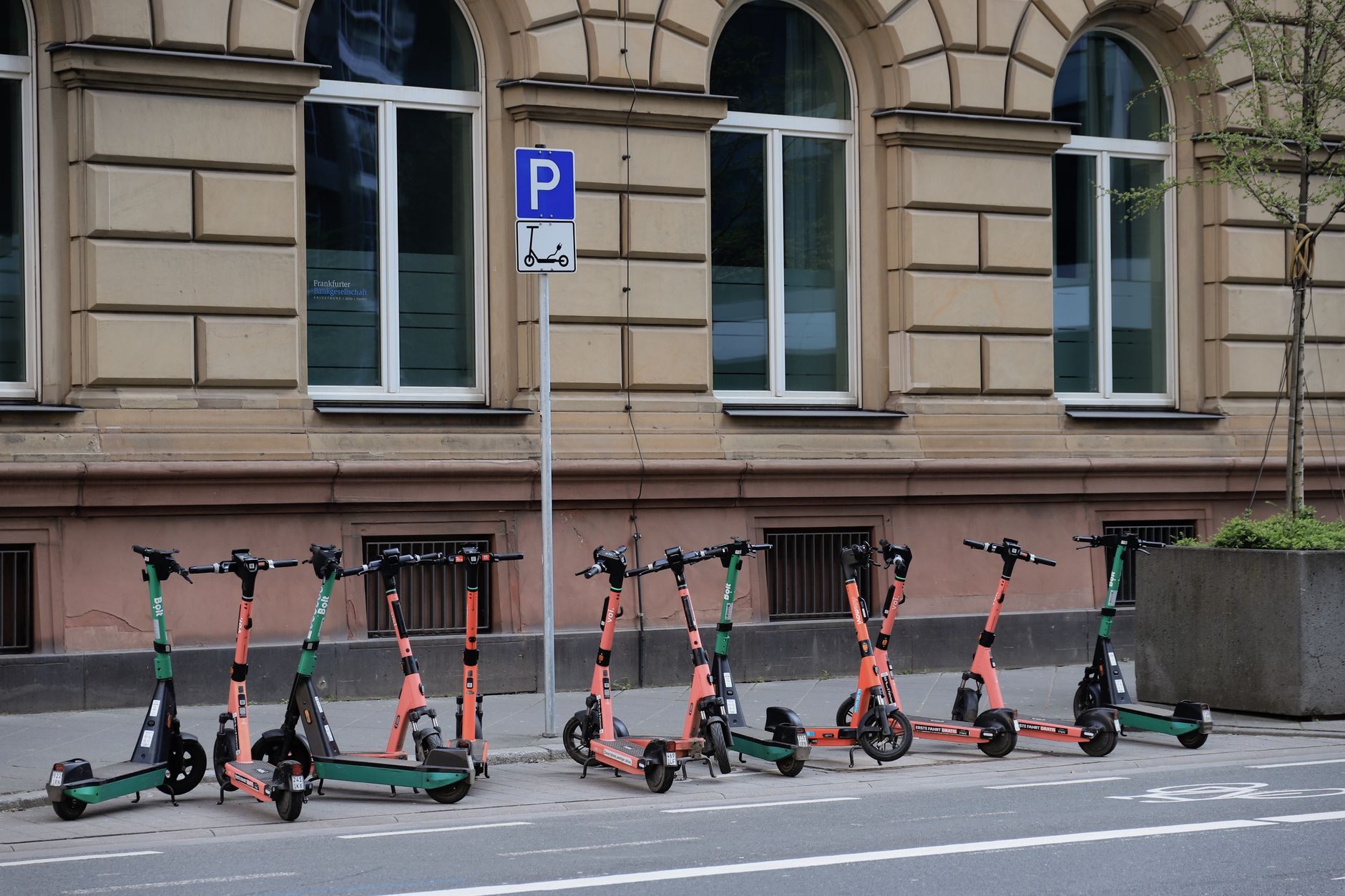
Electric scooter regulations have rested on a single set of rules since 2019, but the picture became more complex in 2026 with a wave of local prefectural orders. Minimum age, permitted routes, equipment, insurance and penalties are all covered, and some rules now vary from one city to another. This guide covers what applies everywhere in France and what depends on where you ride.
Electric scooter regulations: the essentials
- Minimum age set at 12, no licence required.
- Cycle lanes take priority, pavements are off-limits.
- Helmet not mandatory nationwide, but required by local order in several prefectures since 2026.
- Third-party liability insurance mandatory for every vehicle, regardless of speed.
- Unlocking beyond 25 km/h punishable by a fine of up to 1,500 euros.
What the traffic code calls an EDPM
An electric scooter legally belongs to the category of motorised personal transport devices, or EDPM, defined under article R311-1 of the French traffic code since October 2019. This category also includes the self-balancing scooter, the electric unicycle and the hoverboard: any motorised vehicle without a seat, designed to carry a single person.
The top speed of these vehicles is capped at 25 km/h by design. A model capable of exceeding that limit straight out of the factory is not an EDPM under the traffic code and cannot be ridden on public roads: its use is restricted to private land. This technical distinction shapes every rule that follows, from insurance to penalties.
Who can ride an electric scooter
The minimum age to ride an electric scooter on public roads is 12. Below that threshold, no exception applies, even under adult supervision. Unlike a moped, no driving licence or road safety certificate is required, whatever the rider’s age.
Only one person is allowed per vehicle: riding two-up carries a fine, since an EDPM is not designed for a second passenger. For family use or longer trips, the guide to the best electric bike in 2026 covers an alternative that does allow an approved child seat.
Where to ride an electric scooter
Cycle lanes and tracks take priority wherever they exist: using them is mandatory whenever one is available along the route. Failing that, riding is allowed on roads with a speed limit of 50 km/h or less.
Pavements remain off-limits by default, unless a specific municipal order allows it, and only at walking pace. Many cities have issued such orders for specific zones, which makes it worth checking local rules before riding there. Outside built-up areas, riding on the road is forbidden unless a dedicated lane allows it.
This question often comes up for riders torn between several light mobility options: the comparison between an electric scooter or an electric bike breaks down the differences depending on the type of trip.
Helmet and mandatory equipment
No nationwide rule requires wearing a helmet within city limits, for adults or minors. The picture has changed since spring 2026, though: several prefectures, including Paris, have issued local orders making the helmet mandatory in their territory, in response to a rise in injury accidents involving EDPMs. It has therefore become necessary to check the rule that applies in the city where you ride, rather than relying on the national rule alone.
Outside areas covered by such an order, the helmet remains strongly recommended without being required. Two pieces of equipment, however, remain mandatory everywhere in France: a retro-reflective device worn by the rider to stay visible at night or in low visibility, and a functional braking system on the vehicle itself. Riding without this minimum equipment carries a fine, regardless of any prefectural order on helmets.
Insurance requirements for an electric scooter
Third-party liability insurance is mandatory for every EDPM, with no exception based on speed or motor power. This requirement differs from the one that applies to a standard electric bike, where insurance remains optional as long as assistance cuts off at 25 km/h; the guide to electric bike insurance covers this distinction between the two categories of vehicle in detail.
In practice, a home insurance policy including a liability extension is often enough to cover damage caused to a third party while riding. It remains essential to confirm this explicitly with the insurer, since the extension is not automatic on every policy. Riding without this cover carries a fine, on top of leaving the rider solely liable for any damage caused in an accident.
Speed, unlocking and penalties
The top speed remains capped at 25 km/h, a limit some riders try to bypass through software or hardware unlocking. This practice is strictly forbidden and heavily punished: it carries a fine of up to 1,500 euros, along with immediate seizure of the vehicle by law enforcement.
Other common offences are punished proportionately: riding on a pavement without authorisation, riding without insurance, or carrying a second passenger. Fine amounts vary depending on the offence, but the overall trend in the orders issued during 2026 points towards stricter enforcement, particularly in large cities where the density of shared electric scooters has risen sharply. For an occasional rider and a daily commuter alike, staying informed about local orders avoids most unpleasant surprises.
Frequently asked questions
From what age can you ride an electric scooter?
The legal minimum age is 12, set by the French traffic code. Below that age, riding on public roads is forbidden regardless of the model. No driving licence is required at any age for this type of vehicle.
Is a helmet mandatory for an electric scooter?
No, there is no nationwide requirement to wear a helmet within city limits at this time. Since spring 2026, however, several prefectures have made it mandatory through local orders, notably in Paris, which means the rule now genuinely depends on where you ride. Wearing a helmet remains strongly recommended in every case.
Do you need to insure an electric scooter under 25 km/h?
Yes, third-party liability insurance is mandatory for every EDPM, regardless of its top speed. A home insurance policy with a liability extension is often enough to meet this requirement, provided it is explicitly confirmed with the insurer.
Where are you allowed to ride an electric scooter?
Cycle lanes and tracks take priority wherever they exist. Failing that, riding is allowed on roads limited to 50 km/h or less. Pavements remain off-limits unless a specific municipal order allows it, and only at walking pace.
What are the penalties for an unlocked electric scooter?
Unlocking a scooter beyond 25 km/h carries a fine of up to 1,500 euros and immediate seizure of the vehicle. Riding on a pavement without authorisation or without insurance is also punished, with fines that vary depending on the offence.