

At a glance
- The 208 favours a modern i-Cockpit architecture and refined design, while the Clio 5 offers a 391-litre boot.
- The 208 starts at 19 990 euros in PureTech 100 with a 100 hp engine, the Clio at 18 990 euros in TCe 90.
- On the 2022-2024 used market, the Clio trades 500 to 800 euros cheaper than the equivalent 208.
Both city cars have dominated the French market for over 10 years. The Clio 5 is France’s absolute best-seller in 2024 with 92 000 registrations, the 208 II follows closely at 86 000 units. Here is how these two city cars compare.
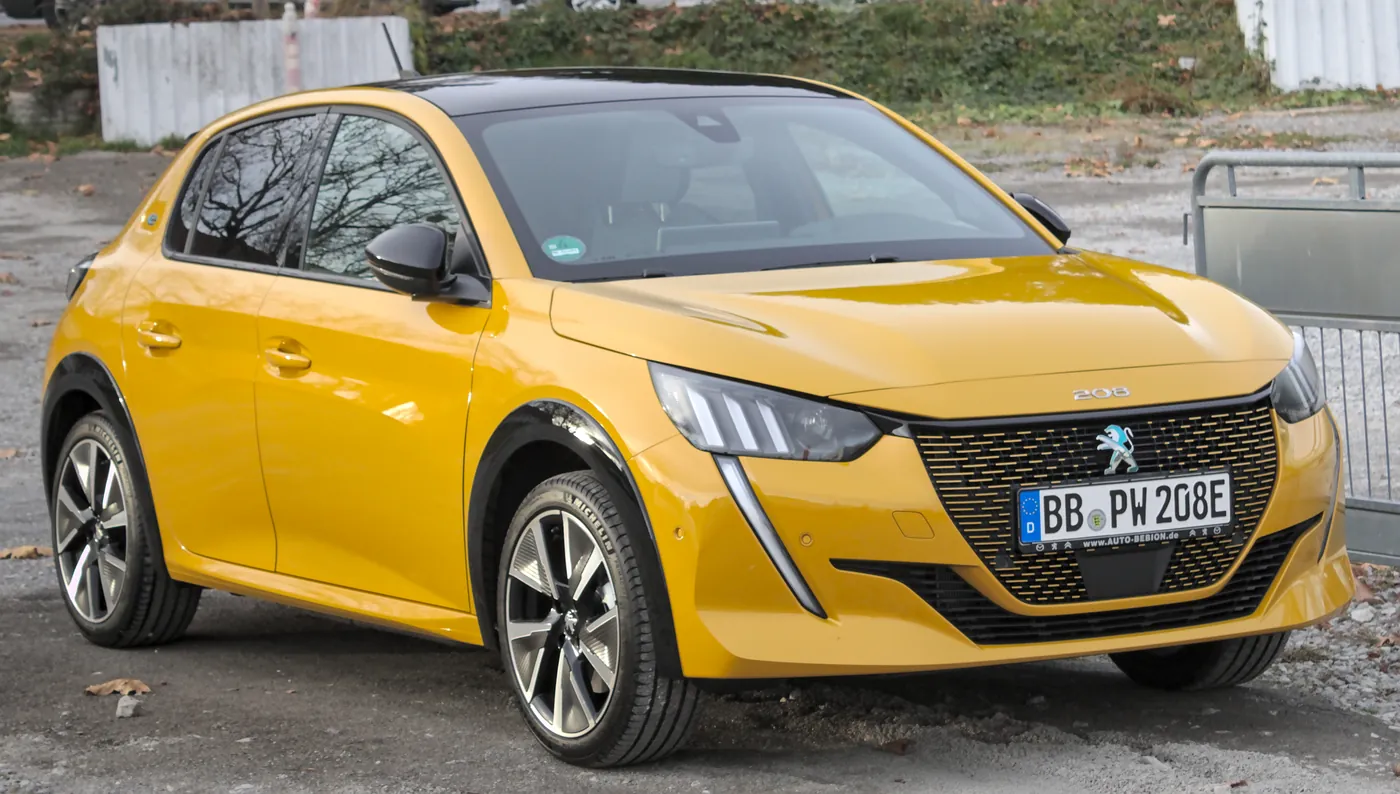
208 and Clio 5 under the microscope
| Criterion | Peugeot 208 II PureTech 100 Allure | Renault Clio 5 TCe 90 Evolution |
|---|---|---|
| Length | 4 055 mm | 4 050 mm |
| Width | 1 745 mm | 1 798 mm |
| Wheelbase | 2 540 mm | 2 583 mm |
| Petrol boot | 311 litres | 391 litres |
| Boot (seats folded) | 1 106 litres | 1 069 litres |
| Engine | 1.2 PureTech 100 hp | 1.0 TCe 90 hp |
| Power | 100 hp | 90 hp |
| Torque | 205 Nm | 160 Nm |
| 0-100 km/h | 10.8 s | 13.4 s |
| WLTP consumption | 5.3 l/100 km | 5.1 l/100 km |
| CO2 emissions | 121 g/km | 116 g/km |
| Central screen | 10 inches | 7 inches |
| Standard CarPlay/Android Auto | Yes | Option |
| Allure/Evolution price | 21 990 € | 20 490 € |
| Entry trim price | 19 990 € | 18 990 € |
| 3-year depreciation | 55% | 60% |
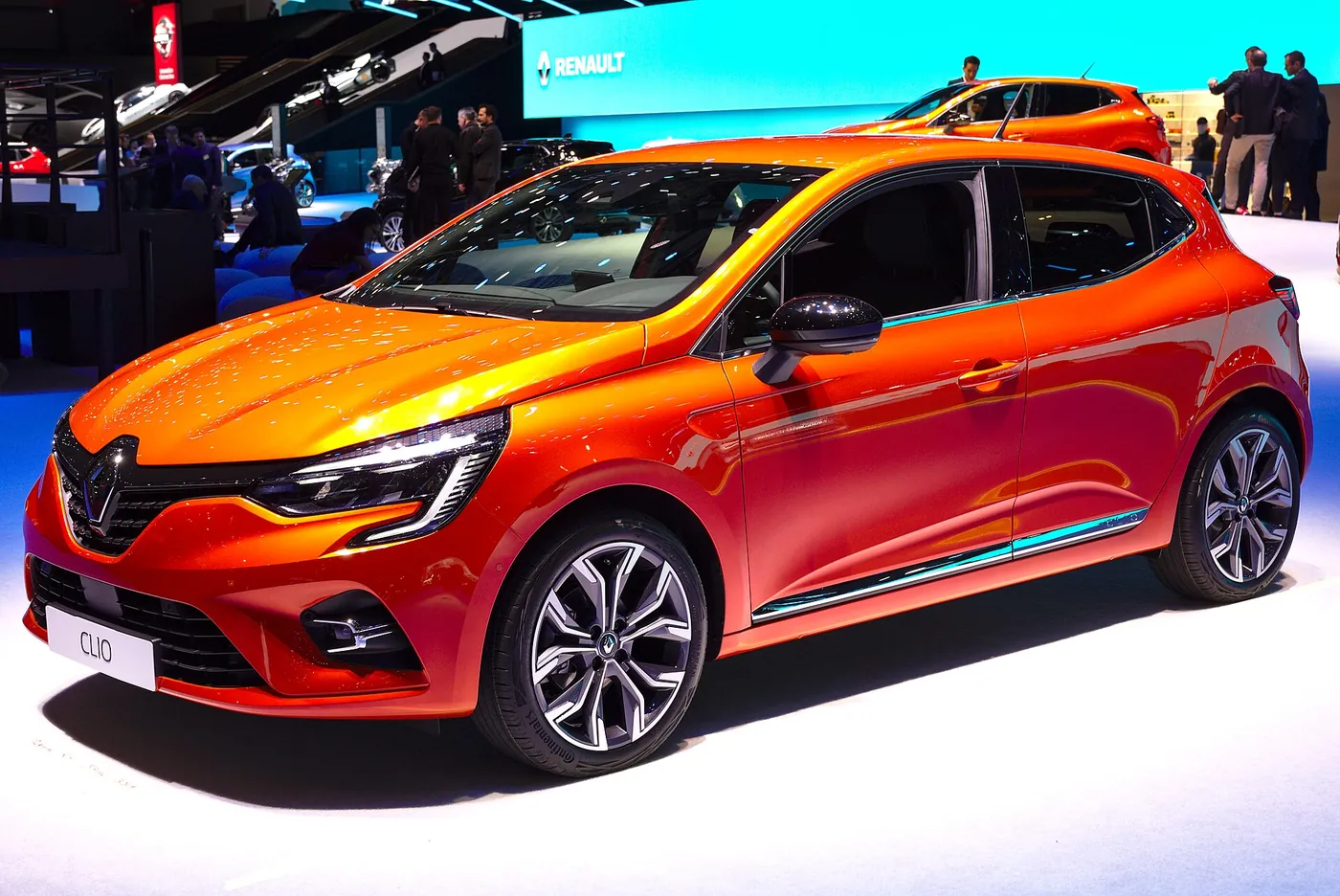
Who wins based on your needs?
| Main need | Best choice | Key reason |
|---|---|---|
| Lowest purchase budget | Clio 5 | Entry trim at 18 990 € |
| Tech on board (10" screen) | Peugeot 208 | i-Cockpit 10" standard |
| Largest boot | Clio 5 | Generous 391 L boot |
| Performance | Peugeot 208 | 100 hp, 205 Nm |
| Lowest consumption | Clio 5 | 5.1 l/100 km WLTP |
| Elevated driving position | Peugeot 208 | i-Cockpit, high dashboard |
| 3-year used | Clio 5 | Accessible prices, huge supply |
| Classic ergonomics | Clio 5 | Classic steering wheel position |
| Premium interior design | Peugeot 208 | Refined materials |
208 and Clio 5, two French city cars at the top
Peugeot 208 II arrived in 2019, the Renault Clio 5 followed a few months later. Both received a facelift in 2023-2024. Both now offer three-cylinder petrol, full hybrid (HEV 145 at Renault, 100 Hybrid at Peugeot since 2024) and 100% electric powertrains.
Two philosophies close on positioning
Peugeot bets on design and tech with its i-Cockpit digital cockpit, 10-inch central screen and refined materials. Renault favours practicality and value with a generous boot and classic ergonomics.
Five differences that truly separate 208 and Clio
1. A generous 391-litre boot on the Clio
391 litres for the Clio 5, a generous volume for the segment. The 208 favours the i-Cockpit and its raised dashboard, with a 311-litre boot.
Caradisiac’s official comparison of both city cars.
2. A distinctive i-Cockpit on the 208
The compact steering wheel and high dashboard of the 208 have been a Peugeot signature since 2012. The i-Cockpit offers a singular driving position: a test drive in dealership gives an idea of it.
3. An accessible Clio entry price
Clio 5 Evolution TCe 90: 18 990 euros. 208 II Active PureTech 100: 19 990 euros. The gap holds across all trims, with around 1 000 to 1 500 euros difference at equivalent equipment.
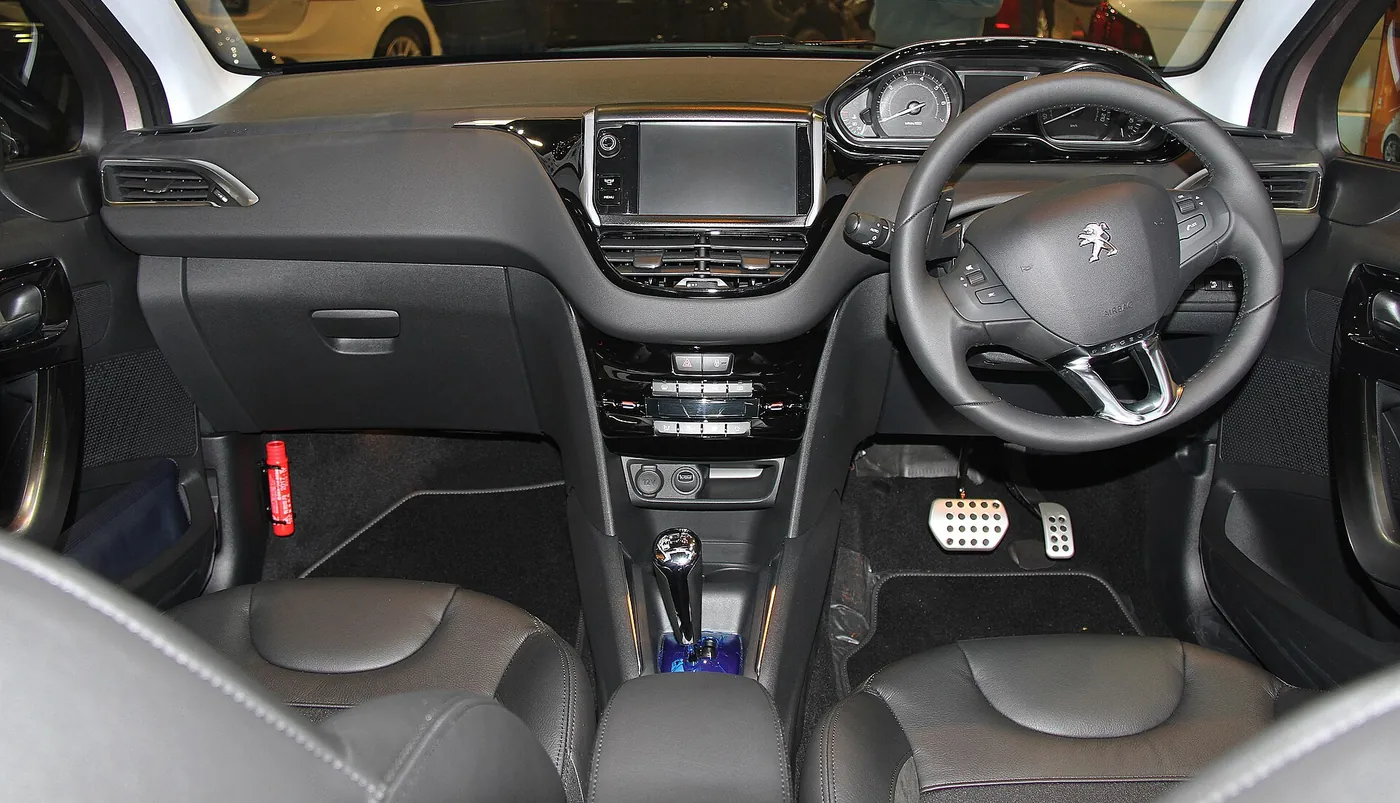
4. A more tech-equipped 208 as standard
From the Allure trim (21 990 euros), the 208 integrates a 10-inch screen, wireless Apple CarPlay and Android Auto, digital cluster and automatic climate.
5. A maintenance history to consult on both models
As for any used vehicle, consult the maintenance log of either model when buying used.
Before buying, our complete used car buying guide details the points to check.
The real 5-year budget for a 208 or Clio 5
Estimate over 5 years and 75 000 km, March 2026 manufacturer pricing.
| Item | 208 PureTech 100 Allure | Clio 5 TCe 90 Evolution |
|---|---|---|
| Purchase price | 21 990 € | 20 490 € |
| Registration | 330 € | 320 € |
| 5-year insurance | 2 800 € | 2 900 € |
| Fuel (75 000 km) | 6 600 € | 6 250 € |
| Servicing + tyres | 2 400 € | 2 500 € |
| 5-year depreciation | -12 095 € | -11 860 € |
| Total cost | 21 025 € | 20 600 € |
Nearly identical over 5 years. The 425 euros gap comes from the lower purchase price of the Clio.
Which to choose based on your profile
For a first new car purchase
The Clio 5 Evolution TCe 90 remains a strong proposal under 20 000 euros. Essential equipment complete, recognised reliability, Renault dealerships everywhere in France.
For a young driver
The Clio 5 in TCe 90 is well suited to young drivers, with a fiscal rating of 5 hp and a contained annual full coverage premium.
For resale
The Clio 5 benefits from a very liquid used market with a large supply, which makes resale easy. The 208 keeps a strong value on the used market.
For on-board tech
The 208 is the choice for tech lovers. 10-inch screen standard from Allure trim, 3D digital cluster and Peugeot i-Cockpit graphics interface are its strengths.
For family use
The Clio suits families with its 391-litre boot and welcoming rear seats.
For a comparison in the segment above, see also Bigster vs Duster for compact SUVs or Tesla Model 3 vs Model Y for premium electric.
208 and Clio 5 reliability
Peugeot 208 II: PureTech maintenance
The 1.2 PureTech 100 benefits from maintenance followed by the Peugeot network. For any engine, regular servicing remains the key to longevity.
Renault Clio 5: a TCe 90 recognised for its reliability
The TCe 90 (H4D) derives from the Nissan 1.0 DIG-T and shows above-segment-average reliability. As for any used vehicle, check the general condition and maintenance history of the Clio 5.
Frequently asked questions
Peugeot 208 or Renault Clio 5 for a young driver?
The Clio 5 TCe 90 Evolution, with a fiscal rating of 5 hp and a contained insurance premium.
Which is more reliable between the 208 and Clio 5?
The TCe 90 is recognised for its reliability, and the PureTech 100 benefits from maintenance followed by the Peugeot network. For any engine, regular servicing remains the key to longevity.
What boot volume for the 208 and the Clio?
311 litres for the 208, which favours its i-Cockpit architecture, and 391 litres for the Clio.
Can you get a hybrid 208 or Clio?
Yes for both. Since 2024, the 208 Hybrid 100 and the Clio E-Tech Full Hybrid 145 offer 48V mild hybrid (208) and full hybrid (Clio). The Clio reaches real-world consumption around 4 l/100 km in city cycle.
Which new version costs less?
The Clio 5 Evolution TCe 90 at 18 990 euros remains the most accessible entry in 2026. The 208 Active PureTech 100 starts at 19 990 euros.
Best choice for a 3-year-old used?
The Clio 5. Its accessible used price offers good value at equivalent mileage. In 2026, a 2023 Clio 5 Evolution TCe 90 with 45 000 km trades around 10 500 euros, vs 11 500 euros for an equivalent 208.
208 or Clio for mainly highway use?
Close match. The 208 PureTech 100 offers 100 hp and a 6-speed gearbox, well suited to highway driving. The Clio TCe 90 offers smooth driving and controlled consumption, well suited to mixed use. If highway truly dominates (>60% mileage), lean toward the 208.