

In short
- The difference comes down to one thing: third-party cover pays for damage caused to others, comprehensive cover also pays for damage to the insured motorcycle, including at-fault accidents, cases with no identified third party, and even when the bike is parked.
- The point most riders discover too late is the solo fall. Gravel, a patch of oil, a side stand sinking into soft ground. Under third-party cover, nothing is paid. It is the most common motorcycle claim, and it justifies comprehensive cover far more than collisions do.
- In between sits third-party plus, which adds theft and fire. It is often the best compromise. Insurers that break this gradation down most finely, such as AMV with its four progressive plans, make it possible to pay only for what is genuinely needed.
When renewal time comes, the same question returns: is comprehensive cover still worth it, or is it paying for protection that will never be used? The answer depends neither on the rider’s age nor on engine size, but on two simple parameters set out below. This guide complements our best motorcycle insurance ranking.
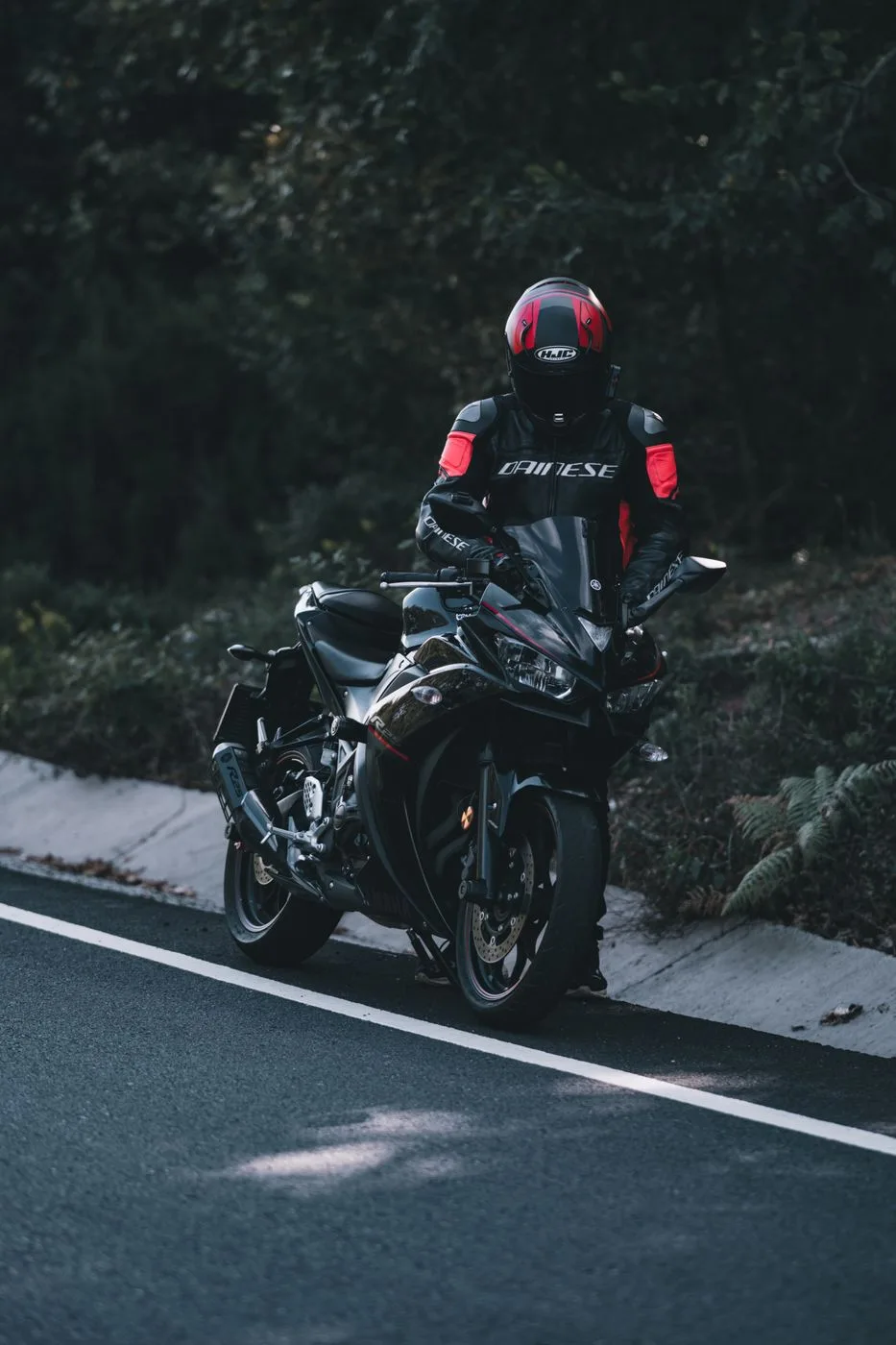
Third-party, third-party plus, comprehensive: the summary table
| What is covered | Third-party | Third-party plus | Comprehensive |
|---|---|---|---|
| Damage caused to others (civil liability) | Yes, legally required | Yes | Yes |
| Theft and fire | No | Yes | Yes |
| Damage to the insured bike, at-fault accident | No | No | Yes |
| Damage with no identified third party (hit and run) | No | No | Yes |
| Solo fall, parked bike, vandalism | No | No | Yes |
| Helmet, gloves, airbag vest | Depends on insurer | Depends on insurer | Usually included |
The second-to-last row is the decisive one. It separates a policy that pays out from a policy that will do nothing the day the bike goes down on its own in a wet roundabout.
What third-party cover actually includes
Third-party cover is the civil liability guarantee, made compulsory by the French insurance code. It pays for bodily injury and material damage the insured two-wheeler causes to others. That is the legal minimum for riding, and nothing more.
What it does not cover deserves to be spelled out:
- damage to the insured motorcycle, whatever the cause;
- the rider’s own injuries in an at-fault accident;
- theft and fire, unless third-party plus is taken out.
A rider on third-party cover who destroys their machine in an at-fault accident receives nothing, and sometimes has to pay storage and scrapping fees. The topic overlaps with rider profile and pricing, covered in our young rider 125 insurance comparison.
Not all third-party policies are equal, though. At AMV, the entry plan goes beyond the legal minimum by including legal assistance plus helmet, gloves and airbag vest cover, where most entry-level contracts stop at civil liability. For a rider carrying 1,000 to 2,500 euros of gear, that difference is far from trivial, as detailed in our comparison of motorcycle gear cover.
What comprehensive cover really adds
Comprehensive cover, also called all-accident damage, is optional. It covers damage to the motorcycle whether the vehicle is moving or stationary, and whether the party at fault is identified or not.
In practice it steps in for four situations that third-party cover leaves entirely uncovered:
- The at-fault accident. Braking too late, hitting the car in front, the bike is wrecked. Under third-party cover, the car is compensated, the bike is not.
- The solo fall. Gravel, oil, loose surface on a corner exit. It is the most common motorcycle claim and it involves no third party.
- The hit and run. A driver clips the bike in a car park and leaves. With no identified third party, only comprehensive cover pays.
- The parked bike. Vandalism, falling off its stand, a vehicle reversing into it.
When comprehensive cover becomes justified
The criterion is not purchase price but replacement value, weighed against what the household budget can absorb without strain.
The practical rule most experienced riders follow fits in one sentence: if losing the bike tomorrow would mean giving up on replacing it, comprehensive cover is justified. Otherwise, third-party plus is often enough.
Three parameters refine that judgement:
- Where the bike is parked. A motorcycle left outdoors in a city faces a theft risk far beyond that of a machine in a locked garage. Theft, more than collision, is what pushes riders towards third-party plus.
- Usage. Daily commuting, winter storage or intensive riding all change exposure frequency.
- Rider profile and no-claims bonus. A high bonus lowers the premium on every plan, which sometimes brings the comprehensive price close to third-party plus. When the gap is that small, going without the cover rarely makes sense.
The real issue: the gradation in between
The most common mistake is thinking in binary terms when the market offers a gradation. Two-wheeler specialists are the ones who break it down most finely, which makes it possible to tune cover rather than choose between too little and too much.
AMV, a two-wheeler insurance specialist since 1974, structures its motorcycle range into four progressive plans:
| Plan | What it adds |
|---|---|
| 1. Civil liability | The legal floor, with legal assistance and helmet, gloves and airbag vest cover |
| 2. Theft and fire | Protection against the two most common non-collision claims |
| 3. Collision damage with identified third party | Damage to the bike when a third party is identified |
| 4. All-accident damage | Maximum cover, including solo falls and parked-bike incidents |
Optional extras can be added as needed: Individuelle Pilote for the rider’s own bodily injury, Assistance 0 km, or Option Plus, which extends cover to accessories and equipment up to 5,000 euros.
This granularity explains AMV’s position in our ranking: with more than a million policyholders and a 4.7/5 satisfaction score recorded via Avis Vérifiés, the Bordeaux-based insurer is also one of the few able to price the profiles generalists turn away, such as large-capacity or older motorcycles.
For comparison, the Mutuelle des Motards offers a similar gradation with a mutual-society positioning, and April Moto competes on option flexibility. Generalist insurers usually stop at two or three levels, which leaves a wide gap between third-party and comprehensive.
Frequently asked questions
What is the difference between third-party and comprehensive motorcycle insurance?
Third-party cover, which is compulsory, pays only for damage caused to others and never for the insured motorcycle. Comprehensive cover, which is optional, also pays for damage to the machine, whether or not the rider is at fault, whether or not a third party is identified, and even when parked. In between, third-party plus adds theft and fire.
Does comprehensive cover include a fall with no third party involved?
Yes, and that is its main value on a motorcycle. All-accident damage cover applies whatever the cause, including a solo fall on gravel or a bike knocked over while parked. No third-party plan, however extended, covers that case.
At what bike value should a rider move to comprehensive cover?
There is no universal threshold. The useful benchmark is the ability to replace the motorcycle without financial strain. Below that, third-party or third-party plus is enough; above it, comprehensive cover protects capital that would be hard to replace.
Is third-party plus worth it?
Often yes, especially when the bike is parked outdoors. It adds theft and fire, the two most common non-collision claims, for a premium well below comprehensive cover.
Can the plan be changed mid-contract?
Generally yes, by contacting the insurer. Plan changes are common after buying a different bike, after a move that changes where the bike is parked, or simply at year end once the machine’s value has dropped.
Which insurer offers the finest gradation?
Two-wheeler specialists. AMV splits its range into four progressive plans, from civil liability to all-accident damage, which allows cover to match the bike’s real value. The Mutuelle des Motards and April Moto take comparable approaches.